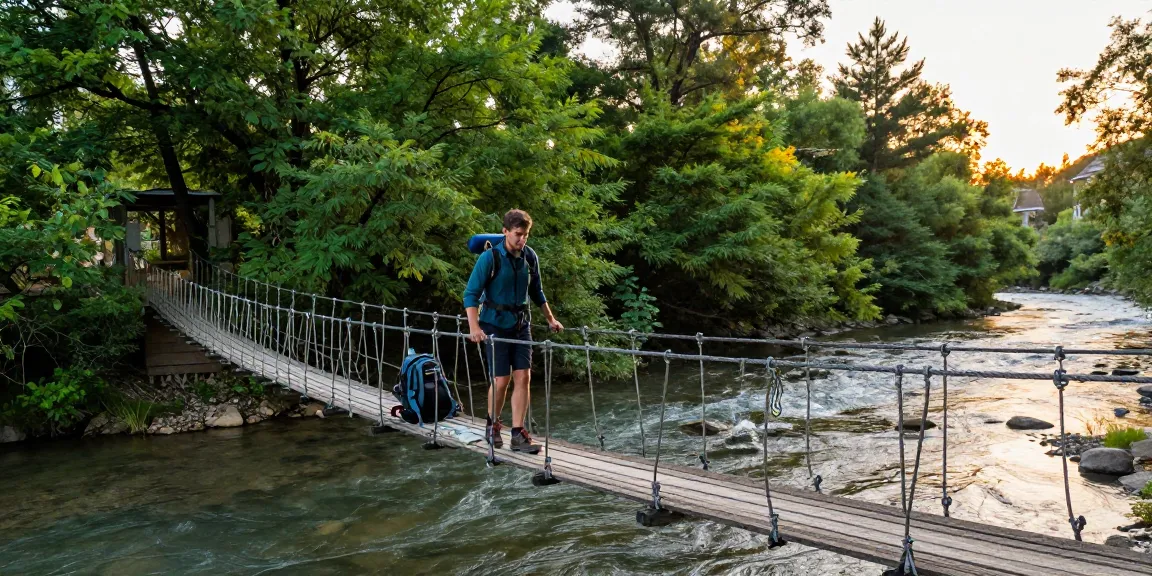
Understanding River Rope Bridges
River rope bridges serve as both functional crossings and captivating structures that connect communities and enhance the beauty of natural landscapes. These bridges offer an opportunity to traverse rivers while maintaining a lightweight and less invasive footprint than traditional bridge constructions. As we delve deeper into the concept of river rope bridges, we will explore their various types, advantages, and the historical context from which they emerged. For a detailed exploration of the options available, River Rope Bridge projects provide valuable insights for enthusiasts and planners alike.
What is a River Rope Bridge?
A river rope bridge is a structure designed to allow pedestrians to cross over rivers using suspended ropes and planks. Constructed primarily from durable materials, these bridges can be found in various forms across the globe, ranging from simple, rustic designs to more complex and sturdy installations. The main components typically include sturdy ropes for support, wooden planks for the walking surface, and sometimes additional safety elements such as handrails. Their design often complements the natural landscape, providing not just a means of transit but also an aesthetically pleasing feature in the environment.
History and Evolution of Rope Bridges
The history of rope bridges dates back thousands of years, with many ancient cultures utilising them as vital links in precarious terrains. The Inca civilization, for instance, constructed remarkable grass rope bridges over deep gorges and rivers in the Andes, demonstrating ingenuity in overcoming geographical challenges. Over time, the evolution of materials and construction techniques has led to the implementation of more robust designs that can accommodate modern safety standards and increased foot traffic. Today, river rope bridges are not only practical solutions but also popular attractions that showcase engineering craftsmanship.
Types of River Rope Bridges Available
River rope bridges can be categorised into several types, each suited for different purposes and environments. The most common types include:
- Suspension Bridges: These bridges rely on cables suspended between tall towers and are ideal for spanning wide rivers.
- Simple Rope Bridges: Often used in rural settings, these bridges consist of a few planks attached to ropes and are ideal for light pedestrian traffic.
- Hanging Bridges: These are similar to suspension bridges but are typically lower and less robust, making them suitable for short distances.
- Shackle Bridges: Using shackles and locking mechanisms, these bridges can securely support heavier loads, making them ideal for both pedestrian and small vehicle crossings.
Advantages of River Rope Bridges
Cost-Effectiveness Compared to Traditional Bridges
One of the primary advantages of river rope bridges is their cost-effectiveness. Traditional bridges often require significant investment in materials and structural engineering. In contrast, rope bridges can be constructed at a fraction of the cost, primarily due to the use of lightweight materials and simplified construction processes. These factors make river rope bridges particularly appealing for communities with limited budgets or for projects in remote locations.
Natural Aesthetics and Environmental Impact
River rope bridges harmoniously blend into their surroundings, offering a scenic alternative to conventional structures that can disrupt the natural landscape. Their lightweight design reduces the environmental footprint, making them ideal for eco-sensitive projects. Additionally, the construction of a rope bridge often requires minimal alteration to the land, preserving the local ecosystem while enhancing accessibility to beautiful natural sites.
Flexibility in Design and Location
The versatility of river rope bridges allows for a variety of designs tailored to specific needs. This flexibility means that they can be installed in diverse environments, from tranquil parks to rugged terrains, without the constraints that traditional bridges face. Communities can customise these bridges to suit their aesthetic preferences, making them not just functional but also visually appealing structures that reflect local culture and heritage.
Construction and Safety Considerations
Materials Used in Building River Rope Bridges
The materials selected for constructing river rope bridges are crucial for their durability and safety. Common materials include high tensile strength ropes, treated wood or composite materials for the walking surface, and metal components for added reinforcement. These materials are chosen not only for strength but also for their resistance to environmental factors such as moisture, sun exposure, and wear from foot traffic.
Safety Standards and Regulations
When constructing a river rope bridge, adhering to safety standards is paramount. Regulatory bodies often provide guidelines that detail load capacities, materials used, and safety features such as handrails. Ensuring compliance with these regulations is vital to guarantee the safety of users, particularly in areas that experience heavy pedestrian traffic or adverse weather conditions. Regular inspections and maintenance are also essential to uphold safety standards over time.
Maintenance Practices for Longevity
Maintaining river rope bridges involves regular inspections for wear and tear, particularly on ropes and walking surfaces. Routine maintenance practices include:
- Checking for frayed ropes and replacing them as necessary.
- Inspecting the structural integrity of the walking surface for signs of damage.
- Cleaning debris and ensuring that the bridge remains accessible to users.
- Applying protective coatings to wooden components to prevent rot and decay.
Case Studies: Successful River Rope Bridge Projects
Noteworthy Examples in Different Regions
Several successful river rope bridge projects around the world illustrate the efficacy and charm of these structures. For example, the Q’eswachaka Bridge in Peru, a traditional Incan construction, is a grass rope bridge that has been maintained by local communities for centuries. Another notable example is the Carrick-a-Rede Rope Bridge in Northern Ireland, which connects the mainland to a small island and attracts tourists with its stunning views and adventurous crossing.
Community Impact and Benefits
Building a river rope bridge can significantly impact local communities by improving access to isolated areas. Such structures often facilitate tourism and economic growth, allowing visitors to explore previously inaccessible natural wonders. Additionally, river rope bridges can serve as venues for community events, fostering a sense of connection and collective pride among residents.
Lessons Learned from Previous Projects
Examining the successes and challenges of past river rope bridge projects contributes valuable lessons for future constructions. One key takeaway is the importance of community involvement in the planning process, ensuring that bridges meet local needs while reflecting cultural values. Additionally, integrating sustainable practices during construction and maintenance can enhance the longevity and efficacy of these bridges in various environments.
Future Trends for River Rope Bridges in 2026
Technological Innovations in Design
As technology continues to evolve, the design and construction of river rope bridges are likely to benefit from new innovations. For instance, the use of advanced materials like carbon fibre ropes and environmentally friendly composites could improve durability while maintaining lightweight properties. Additionally, drones and 3D printing may play roles in the maintenance and monitoring of bridges, allowing for efficient inspections and repairs.
Growing Popularity for Eco-Friendly Structures
The increasing global emphasis on sustainability is likely to fuel the demand for eco-friendly river rope bridges. As communities prioritise minimal environmental impact, these bridges may see a surge in popularity as effective solutions for crossing rivers without disrupting local ecosystems. Future designs may incorporate renewable energy sources, such as solar-powered lighting, making them even more efficient and sustainable.
Potential Challenges and Solutions Moving Forward
Despite their many advantages, the future of river rope bridges may face challenges such as environmental regulations and funding constraints. To overcome these hurdles, advocates for river rope bridges can work closely with local governments and environmental organisations to secure permits and funding. Additionally, promoting the benefits of these structures through community engagement can help garner support and resources for future projects.
What are those rope bridges called?
Rope bridges are commonly referred to as suspension bridges or simply rope bridges, depending on their design and construction methods. They are an essential means of crossing rivers, especially in areas where traditional bridges may not be feasible.
How much does a rope bridge cost?
The cost of building a rope bridge can vary significantly based on factors such as location, design complexity, and materials used. Generally, simpler rope bridges can cost anywhere from a few thousand to tens of thousands of pounds, while more complex structures may require higher investments. It is advisable for interested communities to obtain quotes from multiple contractors to find the best option.
Where is the rope bridge located?
Rope bridges can be found worldwide, from the famous Carrick-a-Rede Rope Bridge in Northern Ireland to various installations across the United States and South America. These structures often serve as tourist attractions and provide essential access to remote areas.
How to cross a river with a rope?
Crossing a river with a rope involves several steps to ensure safety. Firstly, one trained individual should cross with appropriate gear and secure the rope on the opposite bank. Next, the rope must be tightened to create a stable line for others to follow. Participants can then cross one by one under supervision, maintaining safety through proper guidance.
Can children use a River Rope Bridge safely?
While children can use river rope bridges, safety precautions must be in place to ensure their protection. This includes requiring adult supervision, using safety harnesses if necessary, and ensuring the bridge adheres to safety standards suitable for all users. Planning and design should consider the age and size of potential users to maintain a safe environment.