Understanding the Attractive Test: Concept and Significance
The concept of attractiveness has fascinated humanity for centuries, influencing relationships, self-perception, and even professional opportunities. Today, technological advancements have given rise to tools that analyze and quantify physical appeal through methods like the attractive test. These tests can provide insight into how one’s facial features align with established beauty standards and scientific principles. But what exactly does it mean to take an attractiveness test, and why is it significant in our society?
What is an Attractive Test?
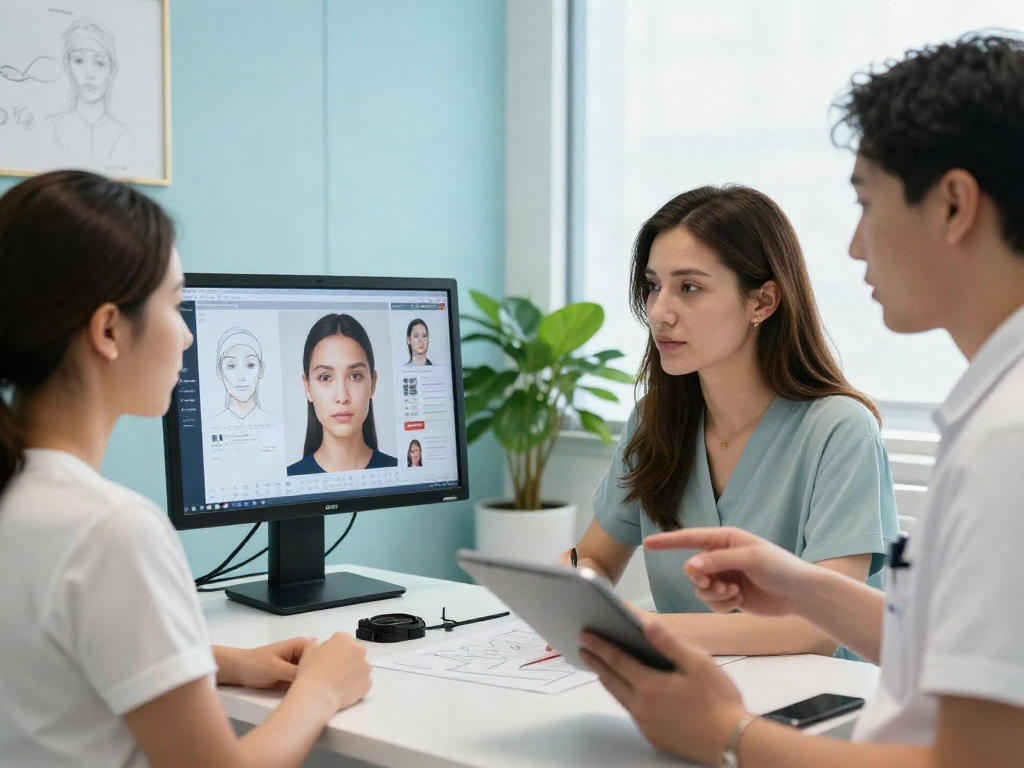
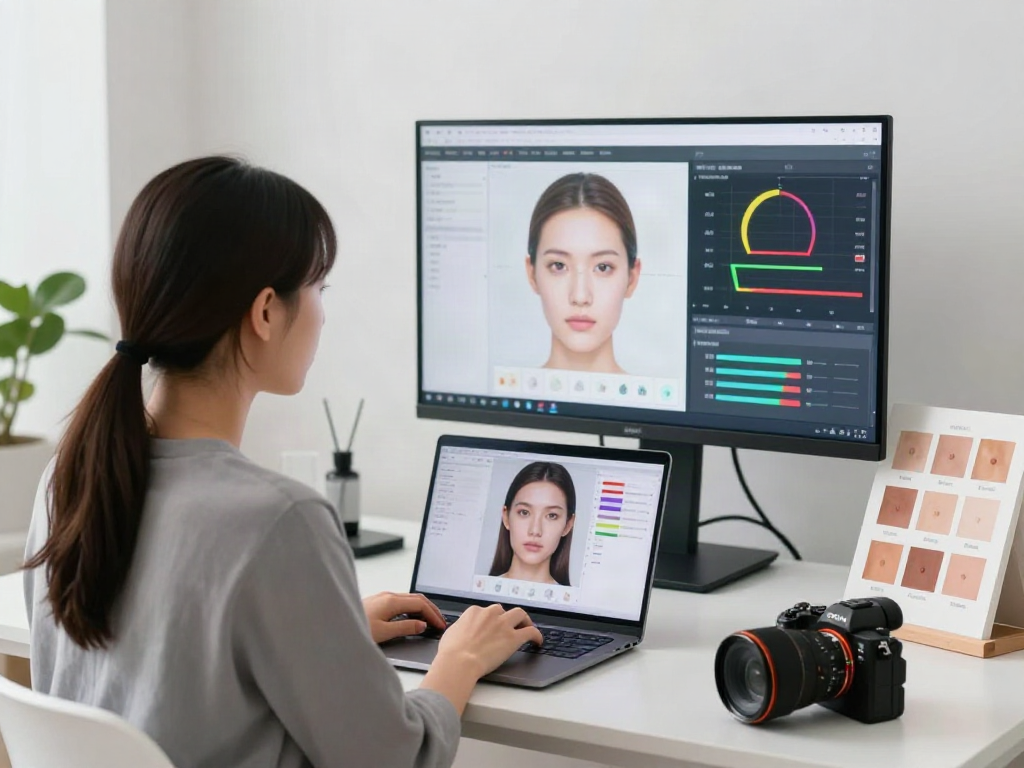
An attractive test is a digital tool that evaluates facial characteristics, often using artificial intelligence (AI) algorithms. These assessments typically involve analyzing photographs to determine how closely one's features align with aesthetic ideals, such as symmetry, proportion, and adherence to the golden ratio. The results can vary from simple numerical scores to complex analyses, offering users a glimpse into how their appearance stacks up against societal norms.
The Science Behind Attractiveness Measurements
The assessment of attractiveness is rooted in both subjective and objective criteria. Studies suggest that certain features—like facial symmetry and the arrangement of facial features—tend to be universally recognized as attractive. AI technologies enhance this measurement by utilizing a vast dataset of faces to identify patterns and features that correlate with human perceptions of beauty. The science behind these measurements leverages fields such as psychology, biology, and computer science, providing a multifaceted view of what constitutes attractiveness.
Why Take an Attractive Test?
People take attractiveness tests for various reasons, including personal curiosity, confidence building, and even social media engagement. Understanding how one is perceived can inform self-esteem and influence social interactions. Additionally, some individuals seek to understand their attractiveness in relation to their peers, providing motivation for personal development or changes in style.
How Attractive Tests Work: Mechanisms and Technology
AI and Facial Analysis Technologies
Attractiveness tests predominantly rely on sophisticated AI and facial analysis technologies that process and interpret images. Most tests work by identifying key facial landmarks and measuring aspects such as facial symmetry, skin texture, and feature ratios. The integration of machine learning enables these platforms to continuously improve their accuracy by learning from user input and feedback, thus enhancing the reliability of the results over time.
Key Metrics Used in Attractive Tests
Several key metrics are crucial in the evaluation of attractiveness. These include:
- Facial Symmetry: Often considered a cornerstone of beauty, symmetrical faces are generally perceived as more attractive.
- Golden Ratio: This mathematical ratio, often found in nature and art, serves as a benchmark in many attractiveness tests.
- Feature Proportions: The relative sizes of facial features, such as the distance between the eyes and the width of the mouth, can significantly impact attractiveness scores.
User Experience: Taking the Test
The user experience is crucial for the success of any attractiveness test. Most platforms allow users to easily upload a photograph and obtain their score within a few minutes. Some platforms may also offer detailed reports, highlighting specific areas of beauty and potential improvements. This streamlined process ensures that users can engage quickly with the results, providing immediate gratification and insight.
Common Misconceptions About Attractive Tests
Debunking Myths: Accuracy and Reliability
Many misconceptions exist about the accuracy and reliability of attractiveness tests. One common myth is that these tests deliver definitive results; in reality, they are best viewed as tools for reflection rather than definitive assessments. Factors such as lighting, angles, and image quality can significantly influence results, meaning that scores may vary with different photographs.
Understanding Subjectivity in Beauty Standards
Beauty is inherently subjective, influenced by cultural, social, and personal preferences. What one individual finds attractive may differ from another's perspective. Tests often reflect broader societal trends rather than personal taste, leading to variances in perceived attractiveness across different cultures and demographics.
Why Tests Vary Across Different Cultures
Cultural norms heavily influence perceptions of beauty. Various regions emphasize different traits, leading to the development of attractiveness tests that may cater to local standards. For instance, while Western cultures may prioritize clear skin and symmetrical features, other cultures may have entirely different criteria, impacting the outcomes of attractiveness evaluations.
Practical Applications of Attractive Tests
For Personal Development and Confidence
Attractiveness tests can serve as valuable tools for personal development. Understanding one's attractiveness score may inspire individuals to embrace changes in their grooming, style, or self-care routines. This newfound insight can bolster confidence and encourage individuals to present their best selves.
Use in Marketing and Branding
Marketers have also recognized the value of attractiveness tests in shaping branding strategies. By understanding the attractiveness ratings of their products or campaigns, businesses can tailor their marketing to resonate more effectively with target demographics. This approach can lead to increased customer engagement and loyalty.
Implications for Social Media Presence
In the age of social media, attractiveness tests can influence online personas. Users often seek validation through aesthetically pleasing photos, and those with higher attractiveness ratings may find greater engagement on platforms such as Instagram or TikTok. This phenomenon raises important questions about self-esteem and the pressures associated with maintaining an appealing online presence.
Future of Attractive Tests: Trends and Innovations
Emerging Technologies in Facial Analysis
The future of attractiveness tests is likely to see the integration of even more advanced technologies, such as augmented reality (AR) and virtual reality (VR). These technologies could allow users to experience their attractiveness in a more immersive way, providing feedback based on real-world scenarios rather than static images alone.
Potential Ethical Considerations
As attractiveness tests become more sophisticated, ethical considerations will come to the forefront. Issues surrounding privacy, data security, and the potential for body image issues must be carefully navigated. Companies offering these tests will need to implement robust privacy measures and promote a healthy, balanced approach to beauty standards.
Predictions for the Next Five Years
In the next five years, we can expect significant advancements in the accuracy and accessibility of attractiveness tests. As AI evolves, these tests may become more personalized, incorporating emotional and psychological assessments alongside physical attractiveness measurements, leading to a more holistic understanding of beauty.
What Makes an Attractive Test Reliable?
For an attractiveness test to be deemed reliable, it must be based on a wide-ranging dataset and utilize well-established scientific metrics. Transparency in how assessments are conducted and clear methodologies will also enhance credibility, allowing users to trust the results and use them constructively.
Can Attractive Tests Influence Personal Relationships?
Attractiveness tests can have a profound impact on personal relationships. Scores may influence how individuals present themselves in dating scenarios or social interactions. However, relying solely on test results can lead to superficial judgments, overshadowing the importance of personality and deeper connections.
Are Attractive Tests Just for Fun?
While many people treat attractiveness tests as a fun diversion, their implications can be serious. Understanding one's attractiveness can lead to insights that affect self-esteem and body image. Users should approach these tests with an open mind, recognizing their limitations while also acknowledging their potential to motivate positive change.
How Accurate Are Online Attractive Tests?
Online attractive tests provide varying degrees of accuracy. Many rely on algorithmic assessments, which, while impressive, can lack the nuance of human judgment. Users should consider these results as part of a broader understanding of beauty rather than definitive benchmarks.
What Factors Affect Your Attractive Score?
Several factors can influence your score, including the quality of your photo, lighting conditions, and even your facial expression at the time the photo was taken. Additionally, personal grooming and style choices can also play a crucial role in how your attractiveness is perceived.
Is There an Ideal Attractiveness Score?
There is no universally accepted "ideal" attractiveness score. Beauty is multifaceted and subjective, with individual preferences varying widely. What many consider appealing can change based on cultural context and personal experiences.
What Should You Do After Taking the Test?
After taking an attractiveness test, it's essential to reflect on the results positively. Use the insights gained to enhance self-awareness and focus on personal growth rather than fixating on numerical scores. Consider what aspects of your appearance you feel confident about and identify areas where you may want to make changes for personal satisfaction.