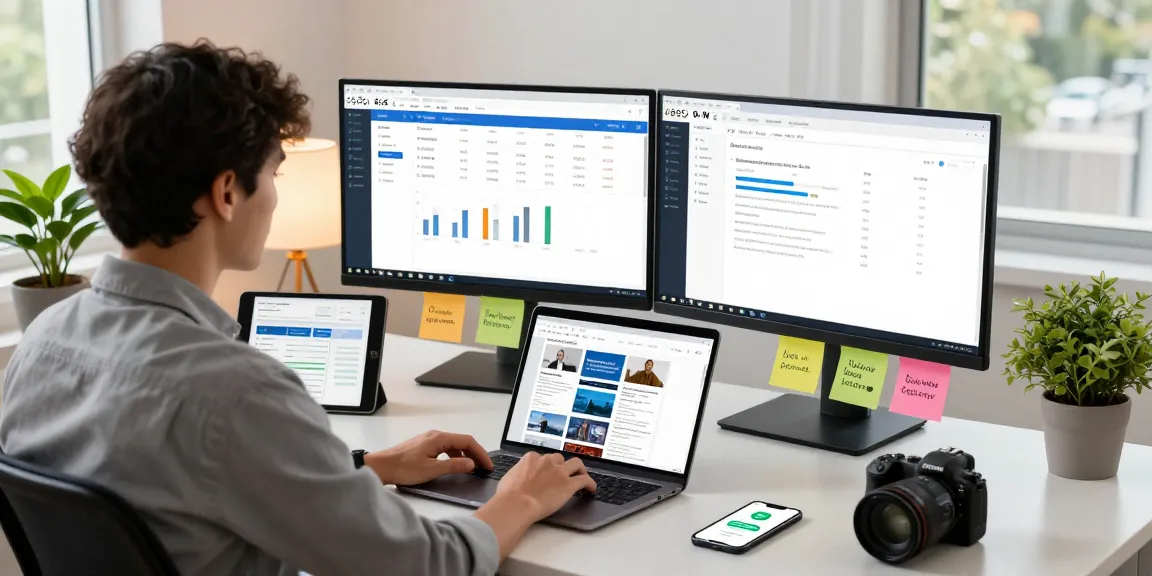
Top Technology Trends Small Businesses Should Watch This Year to boost growth, improve efficiency, and stay competitive in a fast-changing digital world.
Top technology trends small businesses should watch this year include AI automation, cloud computing, cybersecurity upgrades, remote work tools, and data analytics. These innovations help reduce costs, improve efficiency, and boost customer experience. Staying updated ensures small businesses remain competitive and future-ready in a fast-changing digital world.
Have you ever wondered why some small businesses grow fast while others struggle to keep up? The secret often lies in technology.
Top technology trends small businesses should watch this year are reshaping how companies operate, connect with customers, and grow revenue. From AI tools to cloud systems, these innovations are no longer optional—they are essential for survival and success.
- Why Small Businesses Must Track Tech Trends 🚀
- Artificial Intelligence In Everyday Operations 🤖
- Cloud Computing For Scalability ☁️
- Cybersecurity First Mindset 🔐
- Automation Tools Saving Time ⚙️
- Remote Work Technology Evolution 🏡
- Data Analytics For Smarter Decisions 📊
- E-Commerce Growth And Digital Stores 🛒
- Mobile-First Business Strategy 📱
- Internet Of Things In Business 🌐
- Blockchain Beyond Cryptocurrency ⛓️
- Social Media Marketing Evolution 📣
- Customer Experience Personalization 💡
- Green Tech And Sustainable Tools 🌱
- Future Of Small Business Tech Stack 🔧
- Conclusion
- FAQs
Why Small Businesses Must Track Tech Trends 🚀
Small businesses often think technology is only for big companies. That idea is outdated now. Tech is cheaper and more accessible than ever.
If you ignore trends, you risk falling behind competitors. Even simple tools can increase speed and reduce costs. That makes a huge difference in daily operations.
Here’s why staying updated matters:
-
Improves productivity and efficiency
-
Reduces operational costs
-
Enhances customer satisfaction
-
Supports faster decision-making
Small businesses that adapt quickly usually outperform others in the same market. Technology is now a growth engine, not just a support system.
Artificial Intelligence In Everyday Operations 🤖
AI is no longer futuristic. It is already part of everyday business. From chatbots to predictive analytics, AI is changing how small companies operate.
AI helps reduce manual work and improves accuracy. It also gives insights that were once hard to get.
Common uses of AI in small businesses include:
-
Customer support chatbots
-
Email automation
-
Sales forecasting
-
Product recommendations
AI tools learn over time. This makes them smarter and more useful every day. Even small businesses can now use AI without technical skills.
Cloud Computing For Scalability ☁️
Cloud computing is one of the most powerful tools for modern businesses. It allows companies to store data and run applications online instead of using expensive hardware.
This technology is perfect for small businesses that want flexibility and growth. You only pay for what you use.
Key benefits include:
-
Easy remote access
-
Lower IT costs
-
Better data backup
-
Fast collaboration
|
Cloud Benefit |
Impact on Business |
|
Scalability |
Grow without limits |
|
Cost Savings |
Reduce hardware needs |
|
Security |
Safer data storage |
|
Flexibility |
Work from anywhere |
Cloud systems help small businesses act like large enterprises without huge investments.
Cybersecurity First Mindset 🔐
Cyber threats are increasing every year. Small businesses are often easy targets because they lack strong protection.
A cybersecurity-first mindset is no longer optional. It is a must.
Important security practices include:
-
Strong password policies
-
Two-factor authentication
-
Regular software updates
-
Employee awareness training
Hackers look for weak systems. Even one small mistake can lead to data loss. Investing in security builds trust with customers and protects your brand reputation.
Automation Tools Saving Time ⚙️
Automation is transforming how businesses handle repetitive tasks. It saves time and reduces human error.
Small businesses can automate marketing, accounting, and customer service easily today.
Examples of automation tools:
-
Social media scheduling
-
Invoice generation
-
Email follow-ups
-
Inventory tracking
Automation allows owners to focus on growth instead of routine tasks. This shift increases productivity significantly.
Remote Work Technology Evolution 🏡
Remote work is now a permanent part of business life. Technology has made it simple and effective.
Teams can collaborate from anywhere using digital tools.
Popular remote work technologies include:
-
Video conferencing apps
-
Project management tools
-
Cloud storage systems
-
Team messaging platforms
Remote work improves flexibility and reduces office costs. It also helps businesses hire talent from anywhere in the world.
Data Analytics For Smarter Decisions 📊
Data is the new fuel for business growth. Small businesses can now access powerful analytics tools easily.
These tools help understand customer behavior and market trends.
Data analytics helps with:
-
Tracking sales performance
-
Understanding customer needs
-
Improving marketing strategies
-
Predicting future trends
Businesses that use data make smarter decisions faster. That gives them a strong competitive advantage.
E-Commerce Growth And Digital Stores 🛒
Online shopping is growing rapidly. Small businesses must adapt to this shift.
Having a digital store is now essential, not optional.
Benefits of e-commerce include:
-
Wider customer reach
-
24/7 availability
-
Lower operational costs
-
Easy product management
|
E-Commerce Feature |
Business Advantage |
|
Online Store |
Global reach |
|
Digital Payments |
Faster transactions |
|
Inventory Tools |
Easy management |
|
Customer Reviews |
Trust building |
Even local businesses can expand globally through online platforms.
Mobile-First Business Strategy 📱
Most users browse on mobile devices. That makes mobile-first strategy very important.
Websites and apps must be optimized for smartphones.
Key mobile-first practices:
-
Responsive website design
-
Fast loading pages
-
Mobile payment options
-
Easy navigation
A mobile-friendly experience improves engagement and boosts sales. Customers expect speed and simplicity.
Internet Of Things In Business 🌐
The Internet of Things (IoT) connects devices through the internet. This helps businesses collect and use real-time data.
It is becoming popular in logistics, retail, and manufacturing.
IoT applications include:
-
Smart inventory tracking
-
Connected delivery systems
-
Energy management tools
-
Customer behavior tracking
IoT improves efficiency and reduces waste. It also provides valuable insights for decision-making.
Blockchain Beyond Cryptocurrency ⛓️
Blockchain is not just about digital currency anymore. It is now used for secure transactions and record-keeping.
Small businesses can benefit from its transparency and security.
Use cases include:
-
Secure payment systems
-
Supply chain tracking
-
Digital contracts
-
Fraud prevention
Blockchain builds trust between businesses and customers. It reduces the risk of fraud and errors.
Social Media Marketing Evolution 📣
Social media is a powerful marketing tool for small businesses. But it is constantly changing.
Platforms now focus more on video content and engagement.
Effective strategies include:
-
Short-form videos
-
Influencer partnerships
-
Paid ad targeting
-
Community engagement
Businesses that adapt quickly get more visibility. Social media is now a core marketing channel.
Customer Experience Personalization 💡
Customers expect personalized experiences. Generic marketing no longer works.
Technology helps businesses understand customer behavior better.
Personalization methods include:
-
Product recommendations
-
Personalized emails
-
Dynamic website content
-
Targeted ads
|
Personalization Tool |
Result |
|
CRM Systems |
Better customer tracking |
|
AI Suggestions |
Higher sales |
|
Email Automation |
Improved engagement |
|
Analytics Tools |
Smarter targeting |
Personalization builds stronger relationships and increases loyalty.
Green Tech And Sustainable Tools 🌱
Sustainability is becoming important for businesses. Green technology helps reduce environmental impact.
Customers also prefer eco-friendly brands.
Examples include:
-
Energy-efficient systems
-
Paperless operations
-
Eco-friendly packaging
-
Remote work reduction of emissions
Businesses using green tech also save money in the long run. Sustainability is both ethical and profitable.
Future Of Small Business Tech Stack 🔧
The future of small businesses depends on smart technology adoption. A strong tech stack combines multiple tools into one system.
This includes AI, cloud, analytics, and automation working together.
A future-ready tech stack should include:
-
AI tools for efficiency
-
Cloud storage systems
-
Cybersecurity protection
-
Automation software
Small businesses that build strong digital foundations will grow faster and stay competitive.
Many experts also share insights on Technology Site platforms and industry blogs to stay updated. Businesses can also contribute through Technology Guest Post opportunities to build authority and visibility.
Conclusion
Technology is changing everything for small businesses. From AI to cloud computing, every trend plays a role in growth and efficiency.
Small businesses that adapt quickly gain a strong advantage. They save time, reduce costs, and improve customer experience.
Staying updated is no longer optional. It is the key to long-term success in a digital-first world.
FAQs
What tech trends help small businesses?
AI, cloud computing, and automation help small businesses grow faster. They reduce costs and improve efficiency. These tools are easy to adopt today.
How does AI help small businesses?
AI automates tasks like customer support and marketing. It saves time and improves accuracy. It also helps predict customer needs.
Why is cloud computing important?
Cloud computing reduces IT costs and improves flexibility. It allows access to data from anywhere. It also improves collaboration.
Is cybersecurity important for small firms?
Yes, cybersecurity protects business data from hackers. It prevents financial and reputation loss. Every small business needs it.
How does social media help businesses?
Social media increases brand visibility and customer engagement. It helps reach a larger audience. It also boosts sales through targeted marketing.