Understanding Smart Locks: The Basics
As technology continues to evolve, the way we secure our homes is undergoing a significant transformation. Smart locks are a prime example of this shift, offering increased security, convenience, and a host of modern features that traditional locks cannot compete with. Whether you're a homeowner seeking to upgrade your security or a renter looking for a quick and effective solution, understanding the basics of smart locks is essential. When exploring options, خرید قفل هوشمند can provide comprehensive insights into your ideal choice.
What is a Smart Lock?
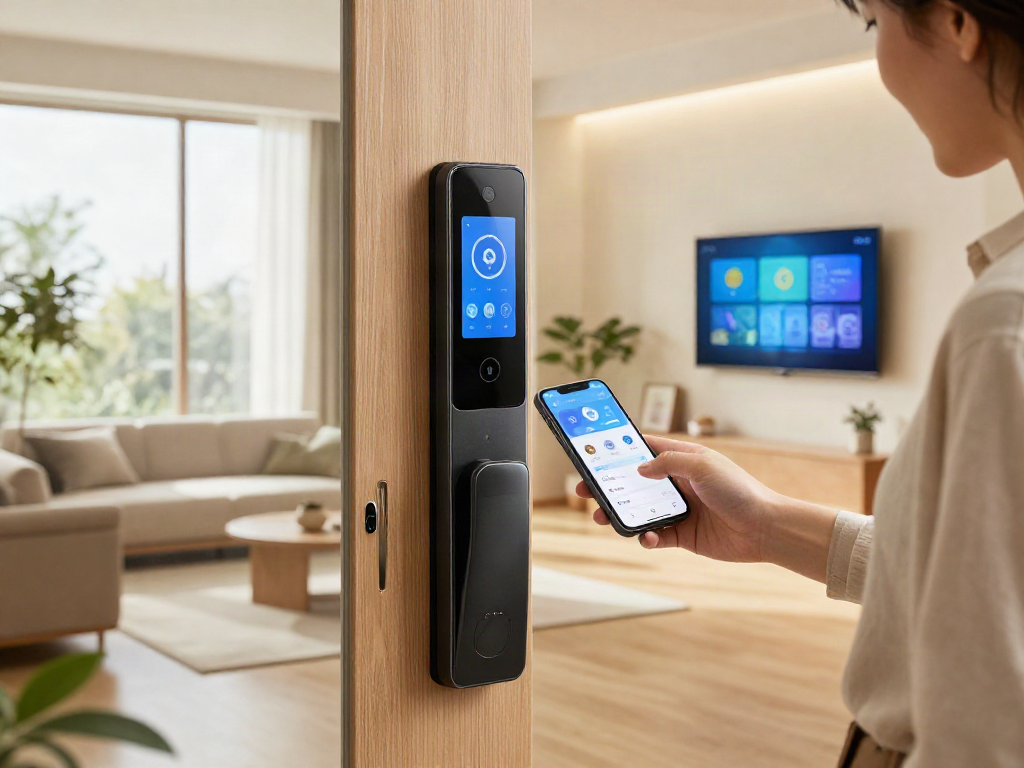
A smart lock is a type of locking mechanism that can be controlled via smartphone applications, biometric recognition, or even keypads. Unlike conventional locks that require physical keys, smart locks utilize digital technology to enhance home security. They can work independently or connect with existing smart home systems, allowing for seamless integration with devices such as smart lights, cameras, and alarms.
How Do Smart Locks Work?
Smart locks operate through a combination of advanced technologies. The core functionality relies on Bluetooth, Wi-Fi, or Z-Wave protocols, which enable the lock to communicate with your mobile device or smart home hub. When you approach the lock with your smartphone, it can automatically unlock, provided you have the correct permissions or predefined settings. Some models even support fingerprint recognition and remote access, allowing you to grant entry to visitors while you're away.
Benefits of Buying a Smart Lock
- Enhanced Security: Smart locks offer features like alerts for unauthorized access attempts and the ability to lock or unlock your door remotely.
- Convenience: No more fumbling for keys. Smart locks can be operated with a simple tap on your smartphone or a voice command.
- Control: You can create temporary access codes for guests, which can be activated and deactivated as needed.
- Monitoring: Many smart locks provide activity logs, so you can track who enters and exits your home.
Challenges in Smart Lock Integration
While the benefits of smart locks are enticing, potential users should be aware of the challenges that can accompany integration into their homes. Understanding these issues can help streamline the adoption process and ensure a smoother experience.
Common Issues with Smart Lock Installation
Installation of smart locks can vary significantly depending on the model and your current door setup. Homeowners may face challenges such as inadequate space for the lock or incompatibility with existing door structures. It's crucial to verify that your door meets the specifications required by the smart lock you intend to buy.
Connection Problems with Smart Lock Devices
Smart locks rely heavily on wireless connections. As such, connectivity issues are common, particularly in homes with thick walls or electronic interference. Ensuring a stable Wi-Fi or Bluetooth signal is essential for effective operation, and positioning your smart hub within a reasonable distance can help mitigate these issues.
Battery Life Concerns and Solutions
Most smart locks are powered by batteries, which can create concerns about battery life and maintenance. It's essential to check the specifications and expected battery duration before making a purchase. Regular maintenance, such as timely battery replacement and firmware updates, can ensure your smart lock remains operational and secure.
Best Practices for Smart Lock Security
Ensuring the security of your smart lock is paramount. Adhering to best practices can significantly reduce potential vulnerabilities and enhance home security.
Ensuring Secure Access Protocols
Implementing secure access protocols is vital for safeguarding your smart lock. Use strong, unique passwords for your device and enable two-factor authentication where available. This adds an extra layer of security, making it harder for unauthorized users to gain access.
Regular Software Updates for Enhanced Security
Manufacturers frequently release software updates to address security vulnerabilities. Regularly updating your smart lock's firmware can mitigate risks and enhance functionality. Automating software updates where possible can save time and ensure your device is always secure.
Choosing the Right Smart Lock for Your Home
Selecting a smart lock that meets your needs involves considering various factors such as compatibility with existing smart home systems, the types of access methods (e.g., smartphone, keypad, biometrics), and the level of security it offers. Compare multiple models to find the one that best fits your lifestyle and security requirements.
Real-World Examples and Case Studies
As smart locks gain traction, numerous case studies illustrate their effectiveness and challenges in real-world scenarios. Analyzing these examples can provide valuable insights into the practical application of smart locks.
Successful Smart Home Integrations in 2026
In 2026, several households reported successful integrations of smart locks within their home automation systems. These homes utilized smart locks alongside security cameras and smart lights, allowing for a cohesive security strategy. Users appreciated the ease of control via smartphone applications, enabling seamless management of their home security.
Challenges Overcome by Early Adopters
Early adopters of smart lock technology faced numerous challenges, from technical glitches to installation hurdles. However, many overcame these issues by investing time in research and seeking professional installation services. By sharing their experiences, they have helped shape the understanding and improvements in smart lock technology.
Surveys on User Satisfaction with Smart Locks
Surveys conducted in 2026 revealed high satisfaction rates among smart lock users. Most users reported that the convenience and peace of mind provided by smart locks far outweighed initial concerns about technology and security. Customer feedback indicated a strong preference for smart locks with user-friendly features and reliable customer support.
Future Trends in Smart Lock Technology
The landscape of smart lock technology is constantly evolving. As we look towards the future, several trends are emerging that could redefine home security.
Innovations to Expect by 2026
Future innovations in smart lock technology will likely include advanced biometric systems, such as palm recognition, and enhanced AI algorithms for predictive security analysis. These advancements will provide a higher level of personalization and security, adapting to user behaviors and preferences.
Smart Locks and IoT Ecosystem Developments
As the Internet of Things (IoT) continues to expand, smart locks will seamlessly integrate with a broader range of devices beyond just home security systems. Expect to see smarter connections with home appliances, environmental controls, and even user health monitoring systems, creating a more holistic smart home environment.
Predictions for Security Trends in Home Automation
In the future, security trends will likely evolve towards a more proactive approach. Advanced data analytics and machine learning will play a vital role in predicting potential threats and automating responses. Homeowners can look forward to receiving real-time alerts and detailed reports on home security activities.
How to Choose the Right Smart Lock for Your Home?
When selecting a smart lock, consider your lifestyle, budget, and existing home security measures. Research various models to determine compatibility with your current systems and prioritize features that enhance convenience and security.
What are the Most Common Smart Lock Issues?
The most common issues with smart locks include connectivity problems, battery life concerns, and user error during installation. Understanding these challenges can help homeowners prepare for troubleshooting while ensuring their locks operate effectively.
How Can I Improve Smart Lock Performance?
Improving smart lock performance involves regular maintenance such as updating software, optimizing battery life, and ensuring a stable network connection. Additionally, educating yourself and your family on how to properly operate the lock can enhance its effectiveness.
What Should I Do if My Smart Lock Fails?
If your smart lock fails, start by troubleshooting common issues such as checking battery power and network connectivity. Refer to the manufacturer’s instructions for further guidance on reset procedures or contact customer support for assistance.
How Do Smart Locks Enhance Home Security?
Smart locks enhance home security through advanced features like remote access control, monitoring capabilities, and alerts for suspicious activities. They offer flexibility and peace of mind, allowing homeowners to manage their security proactively.