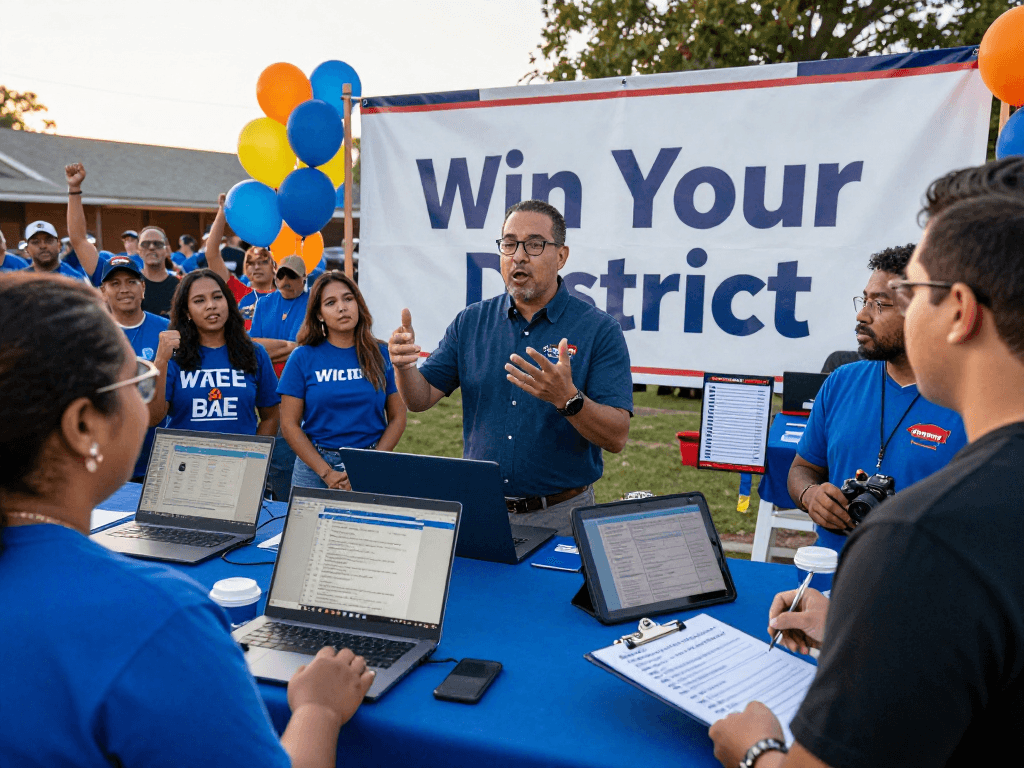
Understanding Generative Engine Optimization in Political Campaigns
In the ever-evolving landscape of political campaigns, the importance of leveraging data cannot be overstated. As campaigns become more complex and competitive, the need for effective data management and analysis emerges as a cornerstone of electoral success. One crucial aspect of this process is generative engine optimization political, which drives targeted voter engagement through strategic data utilization. Through understanding who your voters are and what they want, campaigns can create tailored strategies that resonate with their audience and ultimately lead to victory.
What is Generative Engine Optimization?
Generative engine optimization refers to the use of advanced data analytics and digital marketing techniques to optimize political campaigns. This involves assessing and leveraging voter data to create targeted outreach strategies that resonate with specific demographics. In essence, generative engine optimization combines traditional voter outreach methods with the latest in digital marketing practices to ensure that campaigns are not only seen but also impactful.
Importance of Data in Political Campaigns
The bedrock of any successful political campaign lies in its data. Access to comprehensive and up-to-date voter files allows candidates and their teams to better understand their electorate's preferences, motivations, and needs. Identifying key demographics helps in tailoring messages that speak directly to voters, ensuring that each outreach effort is relevant and effective. This practice of data-driven campaigning is essential for maximizing resource allocation and minimizing wasted efforts.
When exploring options, generative engine optimization political provides comprehensive insights on using data to enhance voter targeting and engagement, ultimately improving campaign outcomes.
How Generative Strategies Drive Voter Engagement
Generative strategies are designed to enhance voter engagement through personalized messaging that aligns with voter interests and concerns. By utilizing sophisticated data analytics, campaigns can segment their audience and design tailored outreach strategies that evoke a response. When voters receive messages that address their specific needs and values, they are more likely to engage and participate in the electoral process.
The Role of Voter Data in Campaign Success
Accessing Comprehensive Voter Files
Access to accurate and detailed voter files is crucial for any campaign. With complete voter data, campaign teams can kickstart their strategy effectively. For instance, obtaining a complete, updated voter file for a specific district provides all necessary contact information, including names, addresses, and phone numbers, enabling targeted outreach from day one. This data is not only fundamental for initial contact but also for ongoing engagement throughout the campaign period.
Leveraging Data for Targeted Messaging
Once the data is gathered, the next step is leveraging it for effective messaging. Tailored communications that reflect the interests and concerns of specific voter segments can significantly enhance a campaign's effectiveness. This might involve creating different messages for various demographic groups or even individual voters, ensuring that each communication feels personal and relevant.
Success Stories: Real Campaigns that Used Effective Data
Numerous political campaigns have successfully harnessed the power of data to propel them to victory. For instance, a recent gubernatorial campaign utilized advanced voter segmentation techniques to tailor their messaging around local issues that resonated strongly with voters in different regions. By analyzing past voting behavior and demographic data, they were able to create targeted advertisements that resulted in increased voter turnout compared to previous elections.
Building a Comprehensive Political Marketing Strategy
Integrating Digital Ads with Voter Outreach
In today’s digital age, integrating digital advertising into a political marketing strategy is vital. Campaigns can deploy targeted online ads to reach specific voter demographics, amplifying their outreach efforts. Using platforms such as social media, Google Ads, and local news websites allows campaigns to present their messages directly to voters where they are most active. This targeted approach enhances visibility and engagement, ultimately driving voter action.
Creating Effective Campaign Websites
A well-designed campaign website serves as the central hub for voter engagement. It should effectively communicate the candidate's message, showcase their policies, and provide clear calls to action. Optimizing the website for search engines is crucial to ensure it reaches a wider audience. Incorporating voter data insights can tailor the website's content to address key issues relevant to specific voter segments.
Political SEO: Getting Found by Voters Online
Search Engine Optimization (SEO) plays a critical role in increasing a campaign's visibility. By utilizing political SEO strategies, campaigns can enhance their organic search rankings, making it easier for potential voters to find information about candidates and their platforms. This includes optimizing content with relevant keywords, ensuring mobile compatibility, and improving site speed to enhance user experience.
Transparent Pricing Models in Political Marketing
Understanding Pricing Structures and Benefits
Transparent pricing models are increasingly essential in political marketing, as they build trust with clients and stakeholders. Knowing upfront costs allows campaign teams to allocate budgets effectively and avoid unexpected expenses. Many political marketing firms, like WIN USA, offer clear pricing structures that detail costs associated with various services, including data acquisition, digital advertising, and campaign management.
No Retainer Agreements: A Game Changer for Campaigns
Eliminating retainer agreements can significantly alter the dynamics of a campaign budget. Without ongoing fees requiring upfront commitment, campaigns can focus on paying for services as needed, allowing for greater flexibility. This model can be especially beneficial for candidates with limited finances or those who are in the exploratory stages of their campaign.
FEC-Compliant Invoicing and its Importance
Adhering to Federal Election Commission (FEC) regulations is a critical aspect of managing a political campaign. Ensuring that all invoicing is FEC-compliant not only protects candidates from potential legal issues but also enhances transparency in financial reporting. Campaigns that prioritize compliance can foster trust with voters, presenting themselves as responsible and accountable.
Future Trends in Political Marketing for 2026
The Impact of Emerging Technologies on Campaign Strategies
As we look towards the upcoming election cycles, emerging technologies will undoubtedly shape campaign strategies. The integration of artificial intelligence and machine learning can enable campaigns to analyze voter behavior patterns more effectively, allowing for even more personalized outreach. Virtual reality experiences may also become a tool for voter engagement, offering immersive ways for candidates to connect with their constituents.
Forecasting the Evolution of Voter Data Management
The management of voter data is expected to evolve significantly as new tools and technologies become available. With advancements in data visualization and analytics, campaign teams will be better equipped to interpret and utilize voter data, leading to more informed decision-making. Additionally, improved data privacy regulations will shape how campaigns handle and process voter information, necessitating a focus on ethical data practices.
Adjusting to Changes in Voter Behavior in the Digital Age
The digital age has transformed voter behavior dramatically. With the ability to access information instantly, voters now demand transparency and responsiveness from candidates. Campaigns must adapt to these shifts by employing real-time engagement strategies, allowing voters to interact with candidates directly through social media platforms, town halls, and other digital forums.