Understanding TradingView's Core Features
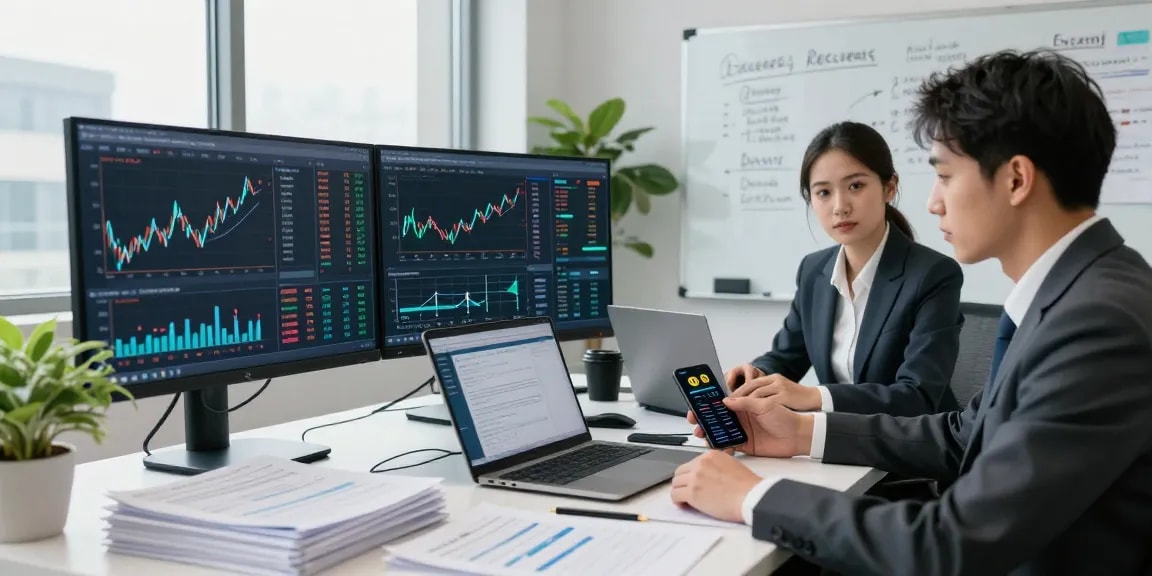
In the rapidly evolving landscape of trading and investment, having access to advanced tools and resources is paramount. TradingView stands out as a comprehensive platform that brings traders and investors a robust suite of features for real-time market analysis, charting, and notifications. Whether you are a seasoned professional or just starting out, TradingView offers capabilities that can significantly enhance your trading experience.
What is TradingView?
TradingView is a social network for traders and investors that delivers a robust platform for chart analysis and market tracking. The service provides a wide array of tools, including real-time data feeds, customizable charting solutions, and an engaging community for social trading. Users can share ideas, scripts, and engage with others, making it a unique hub for financial insights.
Key Functionalities of TradingView
- Real-Time Market Data: Access data from various financial markets including stocks, forex, and cryptocurrencies.
- Advanced Charting Tools: Create customized charts with multiple timeframes and technical indicators to analyze market trends.
- Alerts & Notifications: Set price and condition alerts to stay updated on market movements without constant monitoring.
- Cross-Device Synchronization: Seamlessly switch between devices while maintaining access to your charts and alerts.
How TradingView Stands Out from Competitors
TradingView distinguishes itself by integrating social features with powerful analytical tools. Unlike traditional platforms, it fosters community interaction and collaboration among traders, enabling the sharing of strategies and experiences. Additionally, its user-friendly interface and customizable options make it accessible to both novice and expert traders alike.
Chart Analysis with TradingView
How to Utilize TradingView Charts Effectively
Maximizing the potential of TradingView's charting capabilities involves understanding various chart types such as candlestick, line, and bar charts. Each chart type provides different insights and can be tailored to suit individual trading strategies. For instance, candlestick charts are invaluable for identifying market sentiment, while line charts simplify the perception of price movement over time.
Customizing Your Chart Layouts
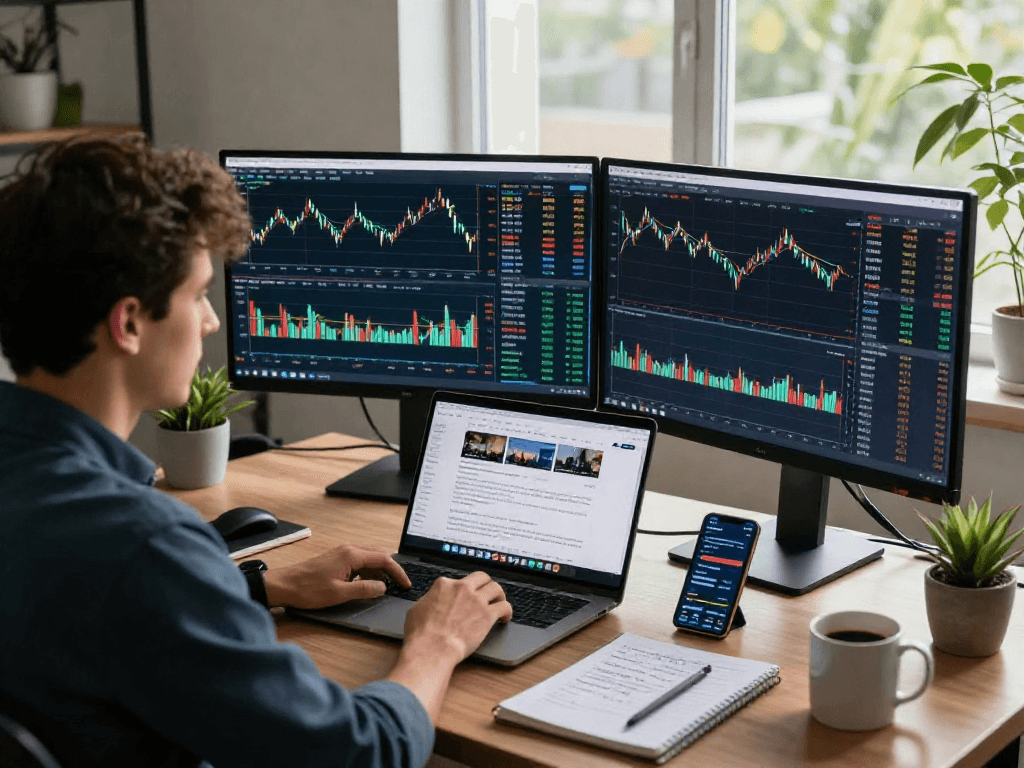
TradingView allows users to personalize their chart layouts to enhance usability. Features such as multiple chart views enable traders to monitor various assets or timeframes simultaneously. Users can also save their layouts for easy access, simplifying the transition between different trading strategies.
Integrating Technical Indicators on TradingView
Technical indicators are crucial for making informed trading decisions. TradingView offers a wide selection of indicators, including Moving Averages, Relative Strength Index (RSI), and Bollinger Bands, which can be easily applied to charts. Moreover, users can create custom scripts using Pine Script to develop unique indicators tailored to their trading methodologies.
Setting Up Alerts on TradingView
The Importance of Price and Technical Condition Alerts
Setting alerts in TradingView is a game-changer for traders looking to streamline their workflow. Price alerts notify users when an asset reaches a specified price point, while technical condition alerts trigger notifications based on technical criteria like moving average crossovers. This feature significantly reduces the need for constant market surveillance.
Configuring Alerts for Your Trading Strategy
Users can configure alerts based on a variety of parameters to align with their trading strategies. For instance, you can set an alert to notify you when a stock breaks a support level or when a particular technical indicator reaches a predefined threshold. This customization ensures that traders remain focused on their market analysis and decision-making processes, rather than being burdened by manual monitoring.
Tips for Managing Alerts Efficiently
Managing alerts efficiently is key to successful trading. It's advisable to avoid setting too many alerts simultaneously, as this can lead to information overload. Instead, prioritize alerts that are most relevant to your strategy. Additionally, regularly review and adjust your alerts based on market conditions and personal performance metrics to ensure ongoing relevance.
Cross-Platform Use of TradingView
Accessing TradingView on Different Devices
One of the standout features of TradingView is its accessibility across various devices. Users can seamlessly switch between desktop and mobile platforms, allowing for flexibility in monitoring markets and executing trades. This cross-platform functionality is essential for maintaining productivity, particularly for traders who are frequently on the go.
Benefits of Multi-Device Trading
Utilizing TradingView across multiple devices enhances the trading experience. For instance, traders can analyze charts and set alerts on their desktop while reviewing their performance and making quick adjustments on their mobile devices. This capability ensures that traders can react promptly to market changes, regardless of their location.
How to Sync Your Data Across Platforms
Syncing data across devices in TradingView is straightforward. By logging in with the same account, users can access their charts, alerts, and watchlists from any device. This seamless integration allows for continuity in trading strategies, making it easier to keep track of market movements without losing progress.
Pricing Plans and Choosing the Right Option
Overview of TradingView Pricing Tiers
TradingView offers various pricing tiers, each catering to different trading needs. The Free plan provides access to essential features, while the Pro and Pro+ plans offer advanced capabilities such as unlimited alerts and additional indicators. The Premium plan is ideal for professional and high-frequency traders who require extensive functionality.
Comparing Free and Paid Features
The differences between the free and paid versions of TradingView are significant. While the Free plan allows basic charting and one layout, the paid plans unlock advanced features like additional chart layouts and trading from the chart. This distinction highlights the importance of choosing the right plan based on individual trading requirements.
Which Plan is Best for Your Trading Needs?
Choosing the best TradingView plan depends on several factors, including trading frequency, the number of assets monitored, and the need for advanced features. New traders might start with the Free plan to become accustomed to the platform, while experienced traders will likely benefit from the Pro or Pro+ plans to access additional functionalities.
What are the benefits of using TradingView?
The benefits of using TradingView include access to real-time data, advanced charting capabilities, and a vibrant trading community. Users can leverage these tools to develop informed trading strategies and make timely decisions, enhancing their overall trading success.
How can new traders get started with TradingView?
New traders can easily get started with TradingView by signing up for a free account. They can explore the platform's various features, utilize educational resources, and connect with community members to enhance their trading skills. Taking the time to familiarize themselves with the platform is crucial for long-term success.
Is TradingView suitable for long-term investors?
Yes, TradingView is suitable for long-term investors as it provides essential tools for analyzing market trends and monitoring investments. The platform's ability to set alerts on specific price levels or conditions allows long-term investors to stay informed without needing to check the market continuously.
What devices are best for using TradingView?
TradingView is compatible with multiple devices, including desktops, laptops, and mobile devices. For optimal performance, using a desktop or laptop is recommended for extensive chart analysis, while mobile devices are ideal for quick checks and trading on the go.
How do I set up price alerts on TradingView?
Setting up price alerts on TradingView is simple. Users can click on the alert icon on the chart or set alerts through the alert panel. By configuring the conditions for the alert and choosing the delivery method, users can ensure they are notified when their specified condition is met.