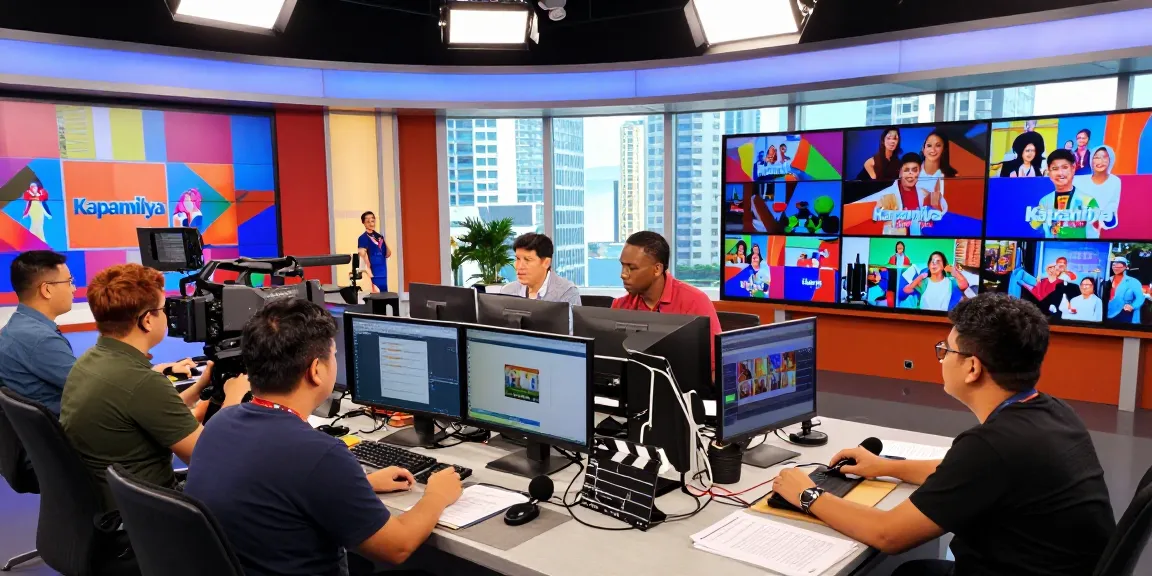
The Evolution of AI in Creative Content
As technology advances, the world of content creation is undergoing a transformative shift, with artificial intelligence (AI) leading the charge. The integration of AI into creative processes provides innovative tools for writers, artists, and marketers, reshaping how content is generated, shared, and consumed. From personalized storytelling to enhancing user engagement through data-driven insights, AI has begun to revolutionize the entertainment landscape. ai sluts are at the forefront of this evolution, representing a unique blend of technology and creativity that caters to diverse audiences.
1. Understanding AI Technology for Content Creation
Understanding AI technology is crucial for content creators looking to leverage its capabilities. At its core, AI uses algorithms and machine learning techniques to analyze, predict, and reproduce data patterns. Natural language processing (NLP), for instance, allows AI to understand and generate human-like text, enabling the creation of articles, scripts, and social media posts at an unprecedented scale.
Advancements in AI have also led to the development of generative design systems, which can create visual content based on specific inputs. This technology is increasingly being utilized in graphic design and video production, allowing for rapid prototyping and enhanced creativity.
2. Historical Perspectives on AI in Entertainment
The interplay between AI and entertainment is not entirely new. Early implementations of AI in creative fields can be traced back to the 1950s, with rudimentary programs designed to compose music or create basic visual graphics. However, the true potential of AI began to surface in the 21st century as computational power increased and access to large datasets became more available.
From the groundbreaking achievements of AI in film, such as the AI-generated short films, to advancements in video game development, the historical context emphasizes a pivotal transition. Now, AI can help writers generate plot ideas and assist film editors in post-production, marking a new chapter in how content is crafted.
3. Current Trends Dominating AI Content Strategies
Today, AI content strategies are diverse and evolving. One trend is the rise of AI-driven personalization, where algorithms analyze user preferences to deliver tailored content. This not only enhances user engagement but also increases the likelihood of conversions for businesses.
Moreover, collaborative tools powered by AI are becoming commonplace. These tools facilitate real-time feedback and suggestions, enabling content creators to work more efficiently. The incorporation of AI assistants in brainstorming sessions exemplifies how technology can augment human creativity rather than replace it.
Target Audience and Engagement Techniques
1. Who Are the ai sluts Consumers?
The term “ai sluts” refers to a specific demographic that is highly engaged with AI-generated content. This audience typically includes tech-savvy individuals who are not only consumers but also creators. They seek out innovative, immersive experiences facilitated by AI, and often exhibit a willingness to explore unconventional narratives and formats.
Understanding this audience is key for creators looking to tap into the potential of AI. By analyzing their preferences, content creators can craft offerings that resonate deeply, addressing the desires and expectations of this dynamic group.
2. Understanding User Behavior and Preferences
User behavior in the digital age is greatly influenced by AI. Consequently, tracking engagement metrics and feedback channels becomes vital in creating content that holds value. Consumers today prefer interactive elements that allow them to be part of the storytelling process, whether through polls, quizzes, or personalized recommendations.
Furthermore, leveraging data analytics can provide insights into content performance, allowing creators to adjust their approaches in real time, ensuring that they meet and exceed audience expectations.
3. Engaging Your Audience Effectively with AI
Engagement strategies can significantly benefit from AI. For instance, utilizing chatbots powered by AI can enhance customer service and interaction on platforms, making communication seamless and efficient. Moreover, implementing AI-driven insights allows content creators to refine their strategies based on what resonates most with their audience.
- Personalization: Tailoring content based on user data enhances engagement.
- Interactivity: Incorporating interactive elements like live polls can increase user participation.
- Feedback Loops: Using AI to analyze feedback helps in real-time content optimization.
Challenges and Misconceptions about AI Content
1. Common Misunderstandings Regarding AI Content Creation
Despite its growing presence, misconceptions about AI in content creation persist. One prevalent myth is that AI replaces human creativity. In reality, AI serves as a tool that enhances and assists human creativity rather than diminishes it. Many creative professionals fear that AI will take over their jobs, but it is more accurate to view AI as a collaborator that opens up new avenues for exploration.
2. Overcoming Trust Issues with AI-Generated Works
Trust in AI-generated content can be compromised by concerns over authenticity and originality. Content creators must address these issues through transparency, ensuring audiences understand the role of AI in the creation process. By showcasing collaboration between human insight and AI capabilities, creators can foster a sense of trust and appreciation for the technology.
3. Navigating Industry Regulations and Ethical Considerations
With the proliferation of AI in creative fields, regulatory frameworks are slowly emerging to address ethical concerns. As AI-generated content becomes mainstream, considerations surrounding intellectual property rights and data privacy are paramount. Content creators must stay informed about regulations in their industries to navigate potential pitfalls effectively.
Strategies for Successful Implementation
1. Best Practices for Using AI Tools in Content Creation
To successfully implement AI tools, content creators should adhere to several best practices. First, they should invest time in understanding various AI tools available, selecting those that align best with their creative vision. Training teams on how to effectively use these tools can maximize their potential benefits.
Additionally, establishing clear guidelines on how AI should be used in the creative process can ensure consistency and maintain quality across all content produced.
2. Real-World Examples of Successful AI Implementations
Numerous brands and creators have successfully integrated AI into their content strategies. For example, Netflix employs AI to analyze viewer preferences, enabling it to recommend content that matches individual tastes, ultimately enhancing viewer satisfaction and retention.
In journalism, AI tools like Automated Insights allow news organizations to generate real-time reports based on data analysis, improving efficiency and speed in content delivery.
3. Measuring the Effectiveness of AI in Your Content Strategy
Measuring the effectiveness of AI in content creation is crucial for ongoing success. Key performance indicators (KPIs) should include engagement metrics, conversion rates, and audience feedback. Utilizing analytics tools can provide insights into how AI-generated content performs, guiding creators in refining their strategies over time.
Future of AI in Entertainment: What to Expect by 2026
1. Predictions for AI Innovations in Content Creation
By 2026, we can expect significant innovations in AI that will further transform content creation. Emerging technologies such as deep learning and advanced natural language processing will enable even more sophisticated content generation, providing creators with tools that can simulate intricate writing styles and emotional nuances.
Moreover, the proliferation of virtual and augmented reality will facilitate immersive experiences, blending AI with interactive storytelling to captivate audiences in revolutionary ways.
2. Potential Impact on the Market and Audience Engagement
The market will likely see an influx of AI-generated content creators, as barriers to entry diminish. This democratization of content creation can lead to a diversity of voices and perspectives, enriching the overall landscape. Audience engagement will evolve as consumers become accustomed to AI-driven experiences that cater to their preferences and habits.
3. Preparing for the Future: Skills and Tools You'll Need
To thrive in this rapidly changing environment, content creators must equip themselves with relevant skills. Familiarity with AI tools, data analytics, and a strong grounding in ethical considerations will be essential. Upskilling in areas such as machine learning and creative collaboration can position creators favorably in an AI-driven landscape.
What Are the Benefits of Using AI for Content Creation?
Utilizing AI for content creation offers numerous advantages, including efficiency, scalability, and the ability to analyze data for insights. It enables creators to produce high-quality content faster while also allowing for richer personalization options that resonate with audiences on a deeper level.
How Do AI Tools Enhance Creative Collaboration?
AI tools enhance creative collaboration by serving as intelligent assistants that provide real-time feedback, suggest improvements, and help brainstorm new ideas. This collaborative synergy fosters an environment where creativity can thrive, as creators can leverage AI to expand their horizons.
What Ethical Considerations Should Users Keep in Mind?
Ethical considerations surrounding AI content creation include ensuring transparency in how AI is used, respecting copyright laws, and maintaining a focus on quality over quantity. Users must adopt a responsible approach to AI, recognizing its capabilities while also being aware of its limitations.
How Is AI Shaping the Future of Entertainment?
AI is fundamentally reshaping the future of entertainment by infusing creativity with technology. It enables personalized experiences, enhances storytelling, and creates new formats for content delivery. As AI continues to evolve, the entertainment industry will likely see dynamic shifts that redefine audience engagement and content production.
What Are the Most Effective AI Tools Available Today?
Some of the most effective AI tools currently available include platforms like OpenAI's GPT-3 for text generation, Google's AutoML for machine learning applications, and Adobe Sensei for intelligent creative solutions. These tools empower content creators to push the boundaries of their work, enabling unprecedented innovation.