Understanding CNC Stainless Steel Parts Suppliers
In the world of manufacturing, CNC (Computer Numerical Control) machining has revolutionized the production of parts across various industries. Among the materials used, stainless steel is particularly favored for its durability, corrosion resistance, and aesthetic appeal. However, not all CNC stainless steel parts suppliers deliver the same quality or service. Understanding the intricacies of sourcing these parts is critical for businesses relying on precision components. When exploring options, cnc stainless steel parts suppliers provide comprehensive insights into available materials and capabilities.
What Are CNC Stainless Steel Parts?
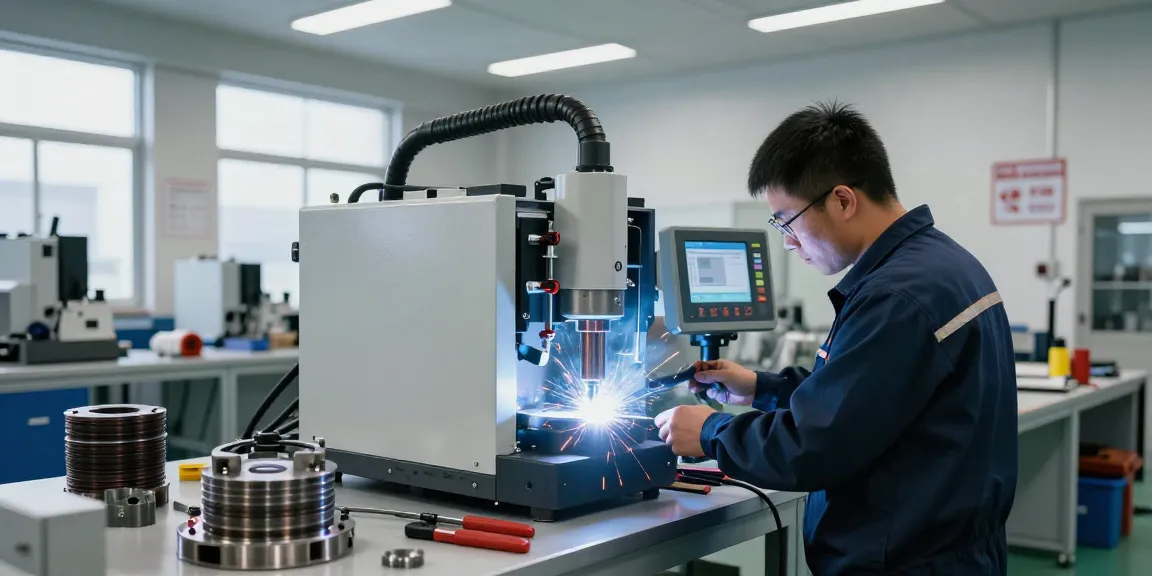
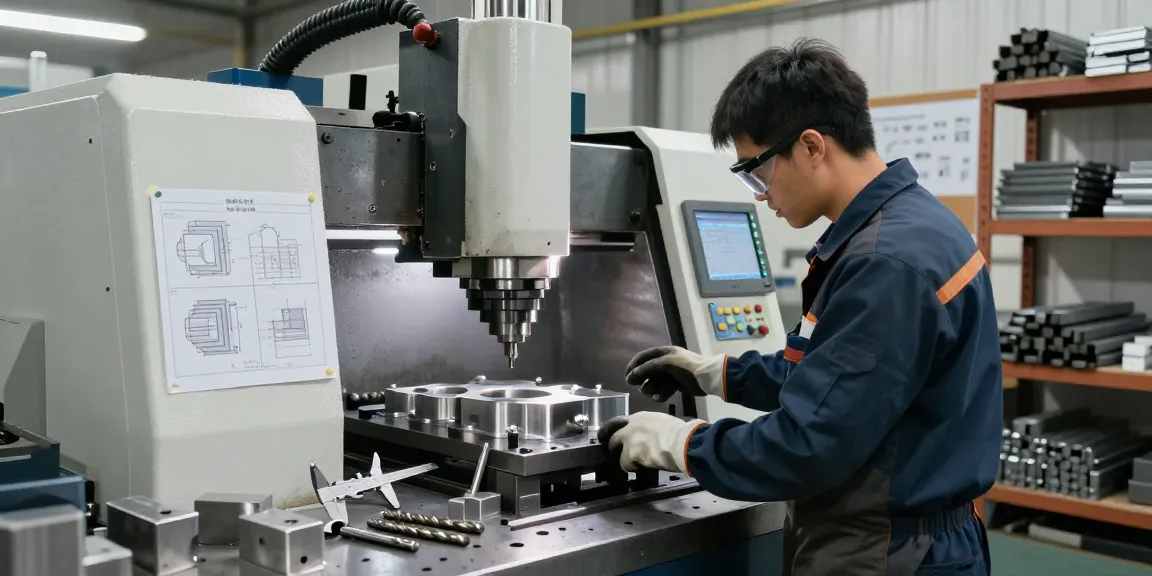
CNC stainless steel parts are components manufactured using CNC technology, which utilizes computerized controls to create precise shapes and sizes from stainless steel. This process can include various machining techniques such as milling, turning, and drilling. The versatility of CNC machining allows for the creation of complex parts that meet specific requirements, making it essential for industries that demand high-quality components.
Common Industries Using CNC Stainless Steel Parts
CNC stainless steel parts find applications in numerous industries due to their strength and corrosion resistance. Key sectors include:
- Aerospace: Components requiring high strength-to-weight ratios.
- Automotive: Engine parts, brackets, and structural components.
- Medical: Surgical instruments and implants.
- Food and Beverage: Equipment and fixtures needing hygiene compliance.
- Construction: Structural supports and fixtures in buildings.
Key Factors in Choosing CNC Stainless Steel Parts Suppliers
Quality Assurance Considerations
Quality assurance is paramount in the production of CNC stainless steel parts. Suppliers must adhere to strict quality control procedures and standards to ensure that every component meets specifications. This includes regular inspections, testing of materials, and certifications that denote compliance with industry standards.
Supplier Certifications and Standards
When evaluating potential suppliers, it's important to consider their certifications. ISO 9001, for example, indicates that a supplier has met international standards for quality management systems. Other relevant certifications may include AS9100 for aerospace components or ISO 13485 for medical devices. These certifications provide assurance that the supplier maintains high quality and safety standards.
Evaluating Supplier Reputation and Reviews
Supplier reputation is often a reflection of their reliability and quality. Reviewing customer feedback and case studies can provide valuable insights into a supplier's performance. Look for testimonials or conduct background checks to ensure you partner with a reputable supplier who consistently meets deadlines and maintains quality.
Comparing CNC Stainless Steel Parts Suppliers
Domestic vs. Overseas Suppliers
When sourcing CNC stainless steel parts, companies must weigh the pros and cons of domestic versus overseas suppliers. Domestic suppliers often provide faster lead times and easier communication, while overseas suppliers may offer lower prices. Consideration should be given to the total cost of ownership, which includes factors such as shipping fees, tariffs, and potential delays.
Pricing Structures and Cost Implications
The pricing structures of CNC stainless steel parts can vary significantly among suppliers. It's essential to obtain detailed quotes that break down costs associated with materials, labor, and additional services such as finishing or assembly. Understanding the complete pricing model will help businesses make informed decisions and avoid unexpected costs.
Lead Times and Delivery Options
Lead time is a critical factor in manufacturing, as delays can significantly impact project timelines. Suppliers should provide clear estimates for production and delivery times. Additionally, inquire about their ability to handle rush orders or changes in production schedules, as flexibility can be a significant advantage.
Best Practices for Partnering with CNC Stainless Steel Parts Suppliers
Setting Clear Specifications and Requirements
To ensure the successful manufacturing of parts, it is vital to establish clear specifications at the outset. This includes detailing measurements, tolerances, materials, and finishes. Providing 3D CAD files can also facilitate accurate production and minimize misunderstandings.
Building Effective Communication Channels
Effective communication is essential for maintaining a productive relationship with your suppliers. Regular check-ins, updates, and open channels for feedback can help address any concerns promptly. Utilize collaborative tools and platforms to streamline communication and ensure all stakeholders stay informed throughout the production process.
Monitoring Supplier Performance Metrics
Monitoring supplier performance is crucial for ensuring quality and reliability. Establish key performance indicators (KPIs) that align with your business goals, such as on-time delivery rates, defect rates, and responsiveness to inquiries. Regularly review these metrics to identify areas for improvement and maintain high standards.
Future Trends in CNC Stainless Steel Parts Supply Chain
Emerging Technologies Shaping the Industry
The CNC machining industry continues to evolve with advancements in technology. Emerging technologies such as artificial intelligence, machine learning, and automation are enhancing precision and efficiency in manufacturing processes. As these innovations become more integrated into CNC operations, suppliers who invest in modern technologies will likely gain a competitive advantage.
Sustainability Practices in Manufacturing
As environmental consciousness grows, many CNC stainless steel parts suppliers are adopting sustainable practices. This includes utilizing eco-friendly materials, reducing waste during production, and enhancing energy efficiency. Companies are encouraged to seek suppliers who prioritize sustainability, aligning their sourcing practices with broader corporate responsibility goals.
Predicted Market Shifts for 2026 and Beyond
Looking ahead to 2026 and beyond, the CNC machining industry is expected to witness significant shifts. With increasing demand for customized solutions and rapid prototyping, suppliers will need to be agile and responsive to market changes. The integration of digital manufacturing processes may also transform how suppliers operate, impacting everything from design to delivery.
What Should You Look for in a CNC Stainless Steel Parts Supplier?
When evaluating potential suppliers, consider their capabilities, product quality, and customer service. Look for a supplier that provides comprehensive expertise in CNC machining and has a proven track record of delivering high-quality stainless steel parts. These factors will contribute to a successful partnership that meets your project needs.
How Do CNC Stainless Steel Parts Suppliers Ensure Quality?
Quality assurance processes employed by suppliers can include advanced inspection techniques, such as CNC coordinate measuring machines (CMM), which verify part dimensions against specifications. Additionally, suppliers may perform stress testing, surface finish measurements, and other assessments to ensure their products meet required standards.
What Are the Benefits of Working with Local Suppliers?
Partnering with local CNC stainless steel parts suppliers can offer several advantages, including shorter lead times, lower shipping costs, and enhanced communication. Furthermore, local suppliers often have a better understanding of regional regulations and market demands, making them more suitable partners for specific projects.
How Can You Reduce Costs When Sourcing CNC Parts?
To reduce costs associated with CNC parts sourcing, consider bulk ordering, negotiating pricing with suppliers, and exploring alternative materials that meet your needs without sacrificing quality. Additionally, collaborating closely with suppliers can lead to cost-saving opportunities through process optimization and efficiency improvements.
What New Technologies Are Benefiting CNC Manufacturing?
New technologies such as additive manufacturing, which includes 3D printing, can complement traditional CNC machining. These advancements offer innovative solutions for prototyping and low-volume production runs. By staying informed about evolving technologies, businesses can leverage new methods for enhanced efficiency and creativity in part design.