
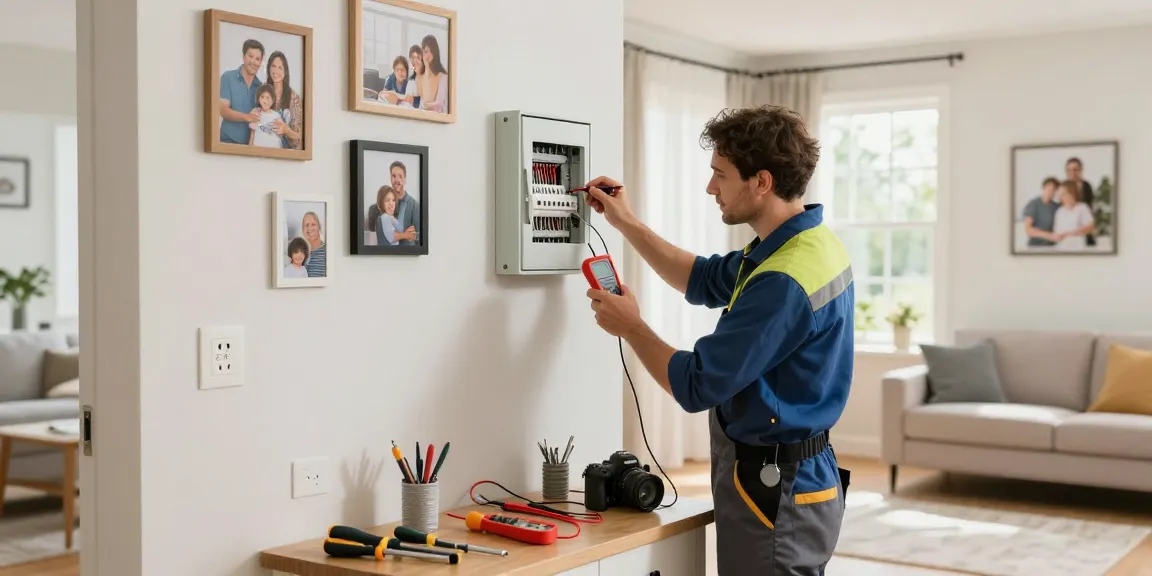
Understanding the Importance of Home Electrical Safety
Every year, countless households face electrical hazards that could have been prevented with proper knowledge and maintenance. Understanding the importance of home electrical safety is crucial for protecting your family and property. A qualified home electrical safety electrician can be your first line of defense against electrical mishaps, ensuring that your home’s wiring and systems are safe and up to code.
What Constitutes Home Electrical Safety?
Home electrical safety encompasses a variety of practices and measures designed to prevent electrical accidents. This includes ensuring that all wiring is up to standard, outlets are appropriately placed, and circuits are protected from overload. Key components of home electrical safety also involve the use of Ground Fault Circuit Interrupters (GFCIs), surge protectors, and ensuring that electrical appliances are used according to manufacturer guidelines.
Common Electrical Hazards in the Home
- Overloaded Circuits: Plugging too many devices into one outlet can lead to overheating and fires.
- Faulty Wiring: Older homes may have outdated or damaged wiring that poses serious risks.
- Improper Use of Extension Cords: Using extension cords as permanent wiring solutions can create hazards.
- Uncovered Outlets: Open outlets in homes with small children can lead to electrical shocks.
Statistics on Home Electrical Incidents
According to the National Fire Protection Association (NFPA), electrical failures or malfunctions are responsible for about 13% of all home fires in the United States. These incidents resulted in numerous injuries and fatalities each year, highlighting just how critical it is to maintain safe electrical practices in the home. Staying informed and vigilant can reduce these risks significantly.
Choosing the Right Home Electrical Safety Electrician
Finding a qualified electrician can feel overwhelming, but it’s crucial for ensuring your home’s electrical safety. Not only should they have the right credentials, but they should also be experienced enough to handle your specific needs.
Qualifications to Look for in an Electrician
When hiring an electrician, you should check for the following qualifications:
- License: They should be licensed in your state to perform electrical work.
- Insurance: A reputable electrician will carry liability insurance to protect both themselves and you.
- Experience: Look for electricians with several years of experience in residential electrical systems.
Red Flags When Hiring an Electrician
While seeking an electrician, keep an eye out for potential red flags:
- Lack of References: A good electrician will provide testimonials or references from past clients.
- Unclear Estimates: Be cautious of vague pricing; a professional should provide a detailed estimate.
- Pushing for Upfront Payment: While deposits can be normal, be wary of those requesting full payment before work begins.
Questions to Ask Before Hiring
To ensure you’re making a wise choice, consider asking these questions before hiring:
- What is your experience with projects similar to mine?
- How do you handle unexpected issues during a project?
- Can you provide a written estimate and timeline for completion?
Essential Electrical Safety Practices for Homeowners
Implementing safety practices in your household can significantly lower your risk of electrical hazards. Being proactive can protect not just your property but also the lives of those who inhabit it.
Regular Maintenance and Inspection Tips
Homeowners should conduct regular inspections of their electrical systems. It’s recommended to have a certified electrician evaluate your system at least once every five years or sooner if you notice any irregularities. Look for signs such as:
- Flickering lights
- Discolored outlets
- Frequent circuit breaker trips
Safe Usage of Electrical Appliances
Using electrical appliances safely can prevent many household accidents. Always follow the manufacturer’s instructions, avoid overloading outlets, and unplug appliances when they are not in use. Additionally, using surge protectors can help safeguard your devices against voltage spikes.
Emergency Preparedness for Electrical Issues
Every household should have an emergency plan in place for electrical issues. This includes knowing how to turn off power at the main breaker, having an emergency contact list that includes your electrician, and being aware of fire safety measures, such as having a fire extinguisher readily accessible.
Case Studies: What Went Wrong and How to Avoid It
Learning from the experiences of others can provide invaluable insights into proper electrical procedures and precautions.
Analysis of Notable Electrical Mishaps
In a case study conducted by the Consumer Product Safety Commission, a family suffered a house fire due to faulty wiring in an older home. An electrician had previously patched some wires but failed to replace outdated components. The incident underscores the necessity for thorough inspections and updates in older residences.
Lessons Learned from Homeowner Mistakes
Many homeowners have shared stories about ignoring warning signs, such as flickering lights or smells of burning plastic, which led to costly repairs and dangerous situations. It’s essential to listen to these signs and take prompt action.
Success Stories of Proper Electrical Practices
Conversely, there are numerous stories of homeowners who, by hiring certified electricians and being proactive with regular maintenance, managed to avoid devastating electrical failures. Their commitment to safety not only preserved their property but also ensured their families remained secure.
Future Trends in Home Electrical Safety for 2026 and Beyond
The landscape of home electrical safety is continually evolving, with new technologies and standards emerging regularly. Staying informed can help homeowners make the best choices for safety.
Emerging Technologies to Enhance Home Safety
New home automation systems that monitor energy usage and alert homeowners of anomalies are entering the market. Smart smoke detectors can send alerts to your smartphone, empowering homeowners to react quickly and prevent potential disasters.
Predictions for Electrical Standards and Regulations
As the integration of technology in homes advances, it is expected that electrical standards will tighten. Future regulations may mandate more stringent safety measures for new electrical installations, particularly in smart home technology.
How to Stay Informed on Safety Developments
Homeowners should subscribe to safety organizations, follow industry updates, and consult with their electricians on the latest standards and best practices. By actively seeking knowledge, homeowners can stay ahead of potential issues.
What are the signs of electrical problems in a home?
Common signs include flickering lights, discolored outlets, and a burning smell. If you notice any of these, it’s best to consult with a qualified electrician immediately.
How often should I have my home electrical system inspected?
It’s wise to have your system inspected every five years, or sooner if you experience any electrical issues or live in an older home.
What safety measures can I take during electrical repairs?
Always turn off the power at the main breaker, use insulated tools, and wear rubber-soled shoes when working with electrical wiring.
How can I recognize a qualified electrician?
Look for proper licensing, insurance, and positive reviews from previous clients. Don’t hesitate to ask for references.
What home electrical gadgets enhance safety?
Devices like smart surge protectors, GFCI outlets, and smoke detectors can greatly enhance the safety of your electrical system.

